
 EN
EN
Walking Districts: Origins and Significance
The concept and significance of walking districts, from theories and design principles to examples of walking district development from around the world
Go Walk


Chinatown Walking District: 10 Routes Through Alleys, Canals, and Riverside in Chinatown


Urban DesignWalkabilityPlacemakingWalking DistrictsUrban Planning
Why Walking Districts?
Walking is a fundamental human behavior inseparably related to urban landscape. Since humans constantly perceive their surroundings and rely on urban components for walking, including sidewalks, pedestrian streets, bridges, or walking in various districts.
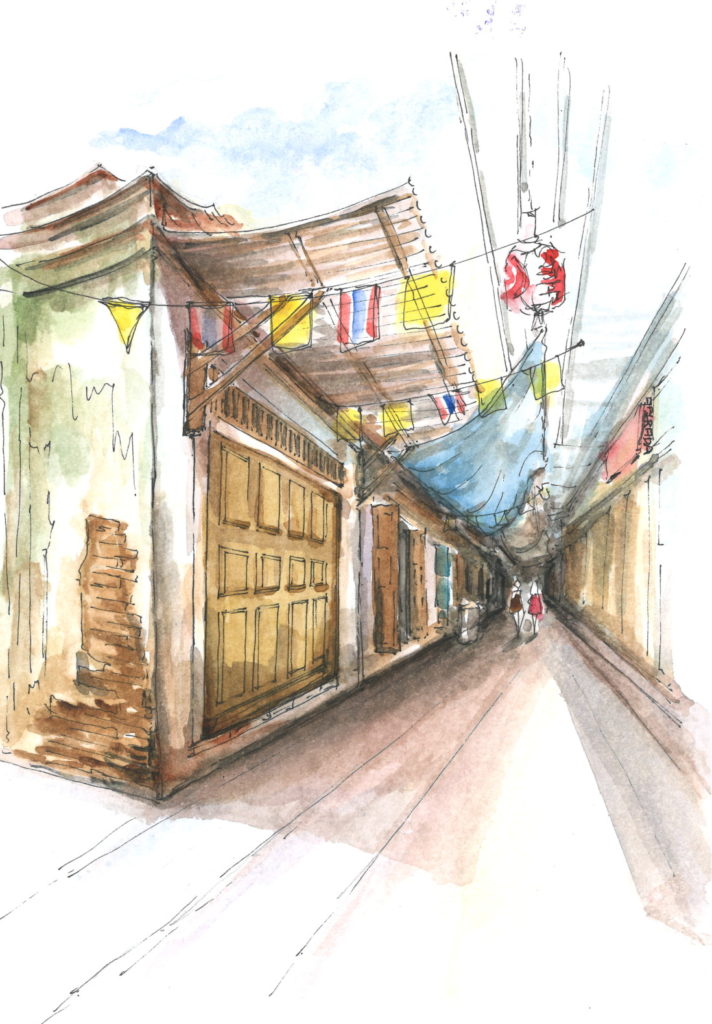
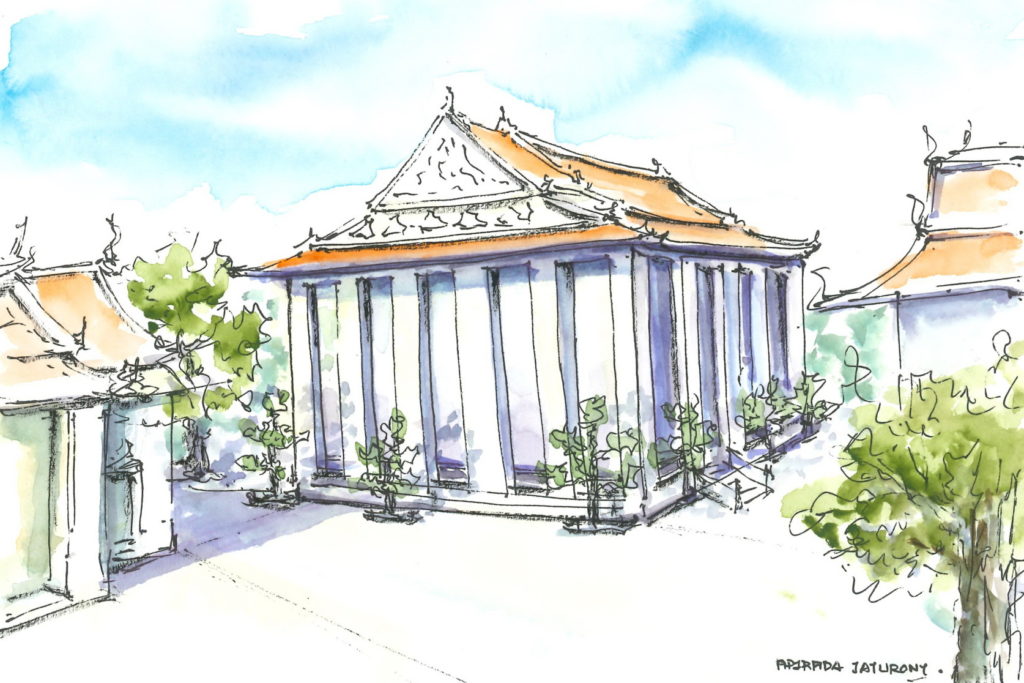
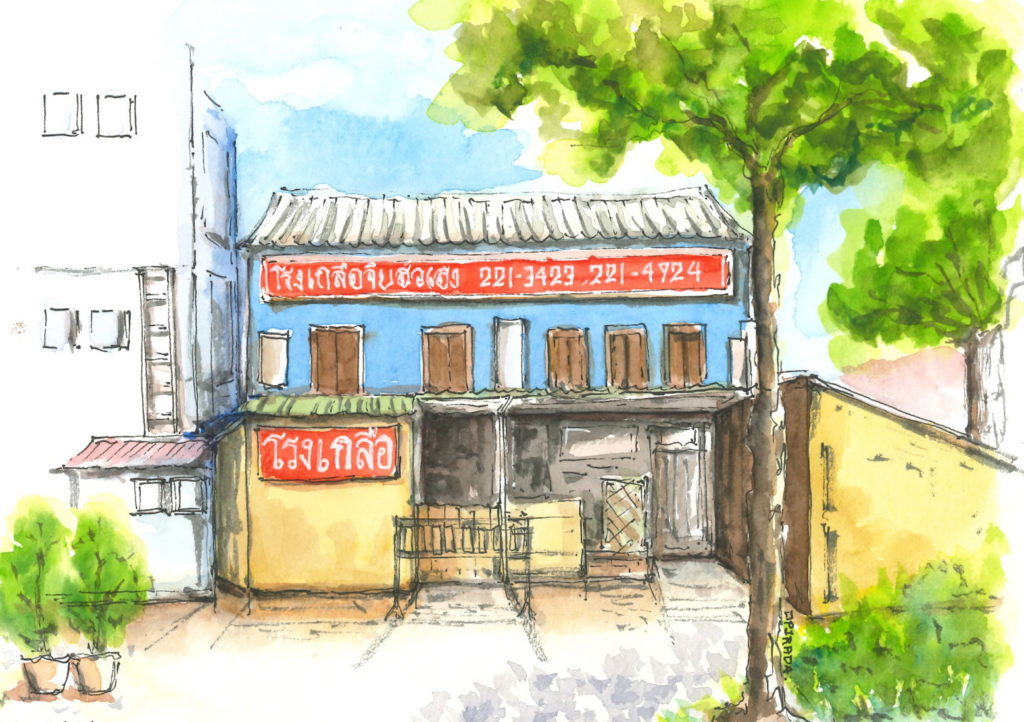
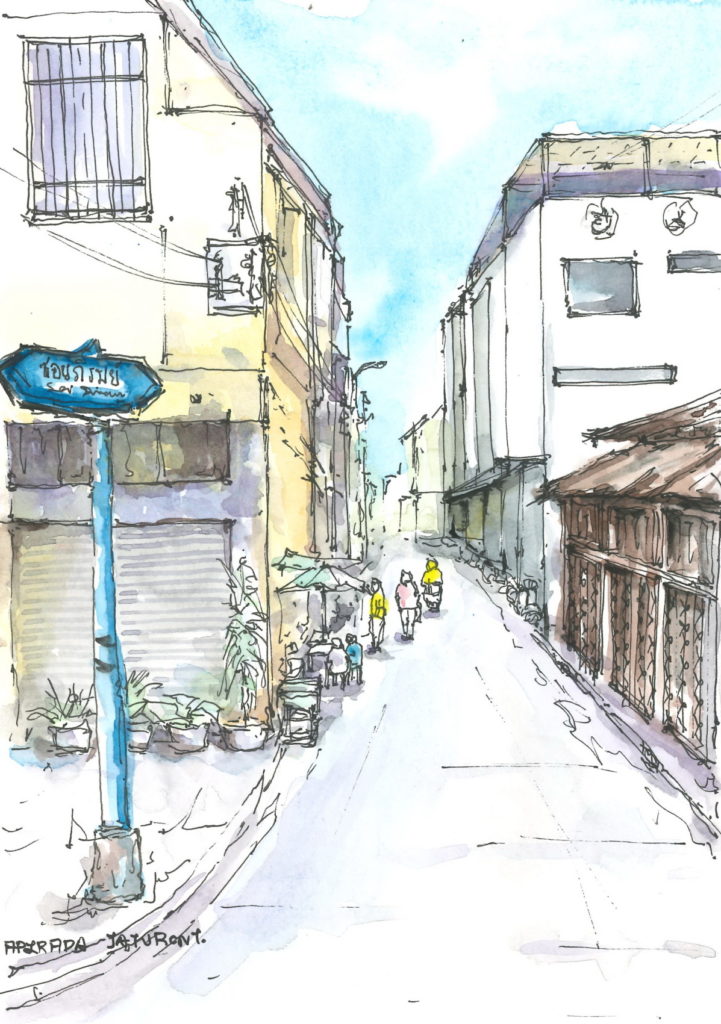
Especially in Samphanthawong District or Chinatown, which is the city's traditional commercial district with a long history of settlement that still maintains the way of life of people connected to the past through both tangible and intangible cultural heritage, and remains the foundation of many nationally important commercial businesses.
Especially in Samphanthawong District or Chinatown, which is the city's traditional commercial district with a long history of settlement that still maintains the way of life of people connected to the past through both tangible and intangible cultural heritage, and remains the foundation of many nationally important commercial businesses.
Definitions Related to Walking
John Butcher (1999), founder of Walk21 organization, stated:
"Walking is the first thing a baby wants to do and the last thing an elderly person wants to give up. Walking is exercise that doesn't require a venue, medicine without prescription, weight control without dieting, cosmetics without chemicals, psychological therapy without drugs and doctors, and recreation without expense."
Gordon Cullen (1961), architect studying urban landscape, stated:
"Urban landscape refers to the environment along routes and outdoor spaces that can be seen and perceived in the city, whether it be characteristics and forms surrounding where we stand. There will be changes in perception of urban landscape from movement from one point to another within the city."
"Walking is the first thing a baby wants to do and the last thing an elderly person wants to give up. Walking is exercise that doesn't require a venue, medicine without prescription, weight control without dieting, cosmetics without chemicals, psychological therapy without drugs and doctors, and recreation without expense."
Gordon Cullen (1961), architect studying urban landscape, stated:
"Urban landscape refers to the environment along routes and outdoor spaces that can be seen and perceived in the city, whether it be characteristics and forms surrounding where we stand. There will be changes in perception of urban landscape from movement from one point to another within the city."
Factors Affecting Walkable Street Landscape Design
Designing walkable street landscapes requires shared goals between communities and local government. There are 8 factors affecting walkable street landscape design:
1. Main streets or traditional commercial districts typically have landscapes, history, and architecture reflecting settlement patterns
2. Connect two interesting places together to create interest and goals for each walk
3. Convenience and safety with public mass transit systems, traffic management or parking
4. Quality and clean walking surfaces smooth walkways without potholes, convenient for all people
5. Development approaches integrating conservation restoration and modern lifestyles
6. Clear policies and roles for pedestrian streets defining main users, circulation methods, and activities
7. Comfortable atmosphere free from noise pollution
8. Street furniture appropriate to the area context
1. Main streets or traditional commercial districts typically have landscapes, history, and architecture reflecting settlement patterns
2. Connect two interesting places together to create interest and goals for each walk
3. Convenience and safety with public mass transit systems, traffic management or parking
4. Quality and clean walking surfaces smooth walkways without potholes, convenient for all people
5. Development approaches integrating conservation restoration and modern lifestyles
6. Clear policies and roles for pedestrian streets defining main users, circulation methods, and activities
7. Comfortable atmosphere free from noise pollution
8. Street furniture appropriate to the area context
International Charter for Walking
The International Charter for Walking aims to highlight essential components for walking and provide frameworks for implementation to help review policies of relevant agencies. It provides 8 guidelines:
1. Increase mobility flexibility
2. Design and manage spaces or places meticulously and systematically
3. Improve walking networks for integration
4. Determine land use and spatial planning conducive to walking
5. Reduce road hazards
6. Reduce street crime
7. Create partnerships with agencies to support walking
8. Build walking culture
1. Increase mobility flexibility
2. Design and manage spaces or places meticulously and systematically
3. Improve walking networks for integration
4. Determine land use and spatial planning conducive to walking
5. Reduce road hazards
6. Reduce street crime
7. Create partnerships with agencies to support walking
8. Build walking culture
Examples of Walking Districts Worldwide
Strøget Street, Copenhagen, Denmark
- Started in 1962 by architect Jan Gehl
- 1.1 kilometers long connecting old town districts
- Prioritizes people over automobiles
Toyama City, Japan
- Developed as elderly-friendly Compact City
- Organized urban mass transit system
- Walking-Around Community project
Chinatown, Singapore
- Conservation and restoration historic district
- Integrates conservation with modern development
- Designed with Places for people principle
Albert Street, Brisbane, Australia
- 1.3 kilometers long
- Green spine concept
- Creates green corridor for the city
- Started in 1962 by architect Jan Gehl
- 1.1 kilometers long connecting old town districts
- Prioritizes people over automobiles
Toyama City, Japan
- Developed as elderly-friendly Compact City
- Organized urban mass transit system
- Walking-Around Community project
Chinatown, Singapore
- Conservation and restoration historic district
- Integrates conservation with modern development
- Designed with Places for people principle
Albert Street, Brisbane, Australia
- 1.3 kilometers long
- Green spine concept
- Creates green corridor for the city

Walking Districts: Origins and Significance
Loading map...
Interesting Places in This Area Samphanthawong







PUN MUANG COMPANY LIMITED
Acting on behalf of Thai Health Promotion Foundation
770 Wanich 2 Road, Talat Noi, Samphanthawong, Bangkok 10100
Email : Punmuangcompany@gmail.com
Contact : Punmuang
Tel/Fax : 02-237-7262 (9.00AM - 6.00PM)
© Copyright 2019 Bangkok Chinatown